Spring Wheat Cultivation on the Canadian Prairies
Canada Western Red Spring wheat remains the backbone of Prairie grain production. This overview covers seeding windows, variety selection, disease management, and harvest logistics.
Wheat, canola, and barley production across Saskatchewan, Alberta, and Manitoba — seasonal cycles, practices, and the crops that define western Canada.
Detailed overviews of the three dominant field crops grown across the Prairie provinces — from seeding windows to market pathways.
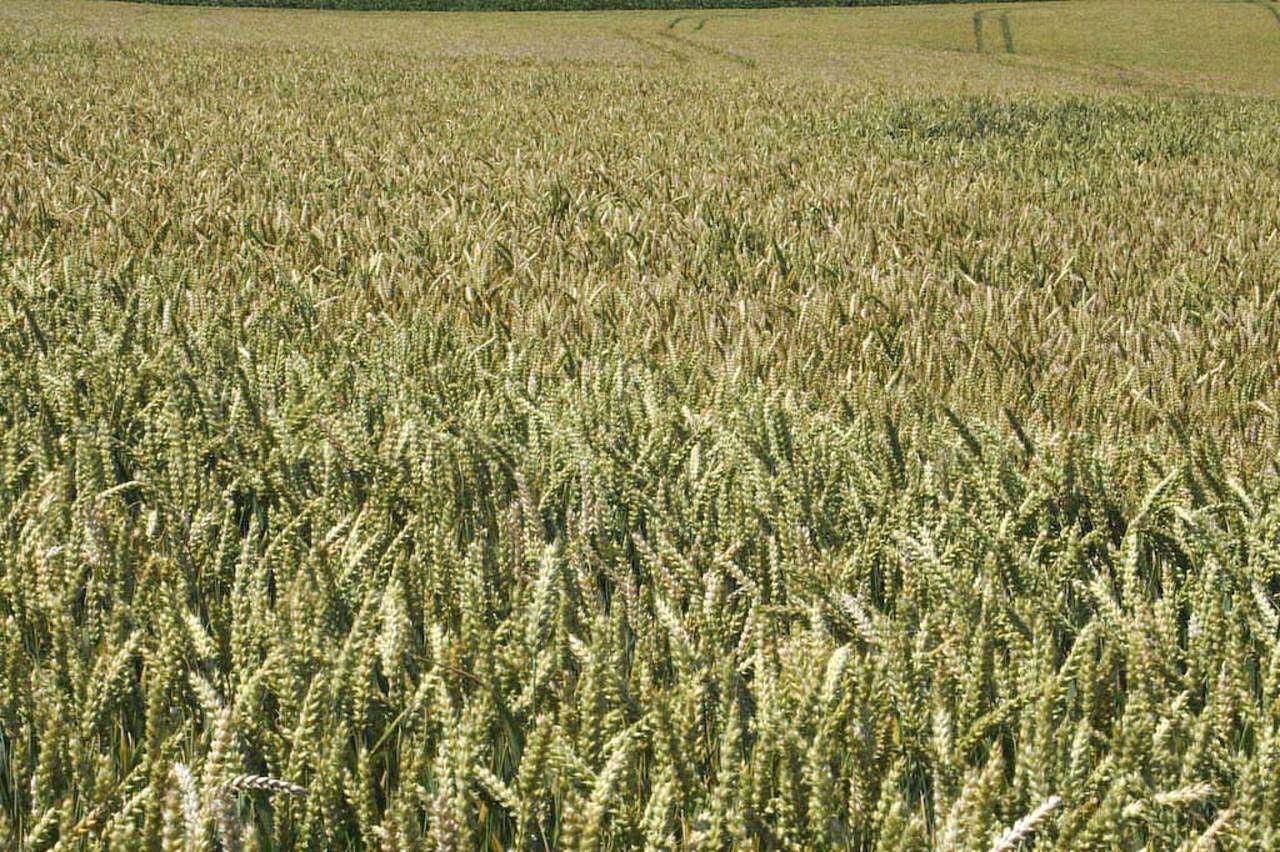
Canada Western Red Spring wheat remains the backbone of Prairie grain production. This overview covers seeding windows, variety selection, disease management, and harvest logistics.
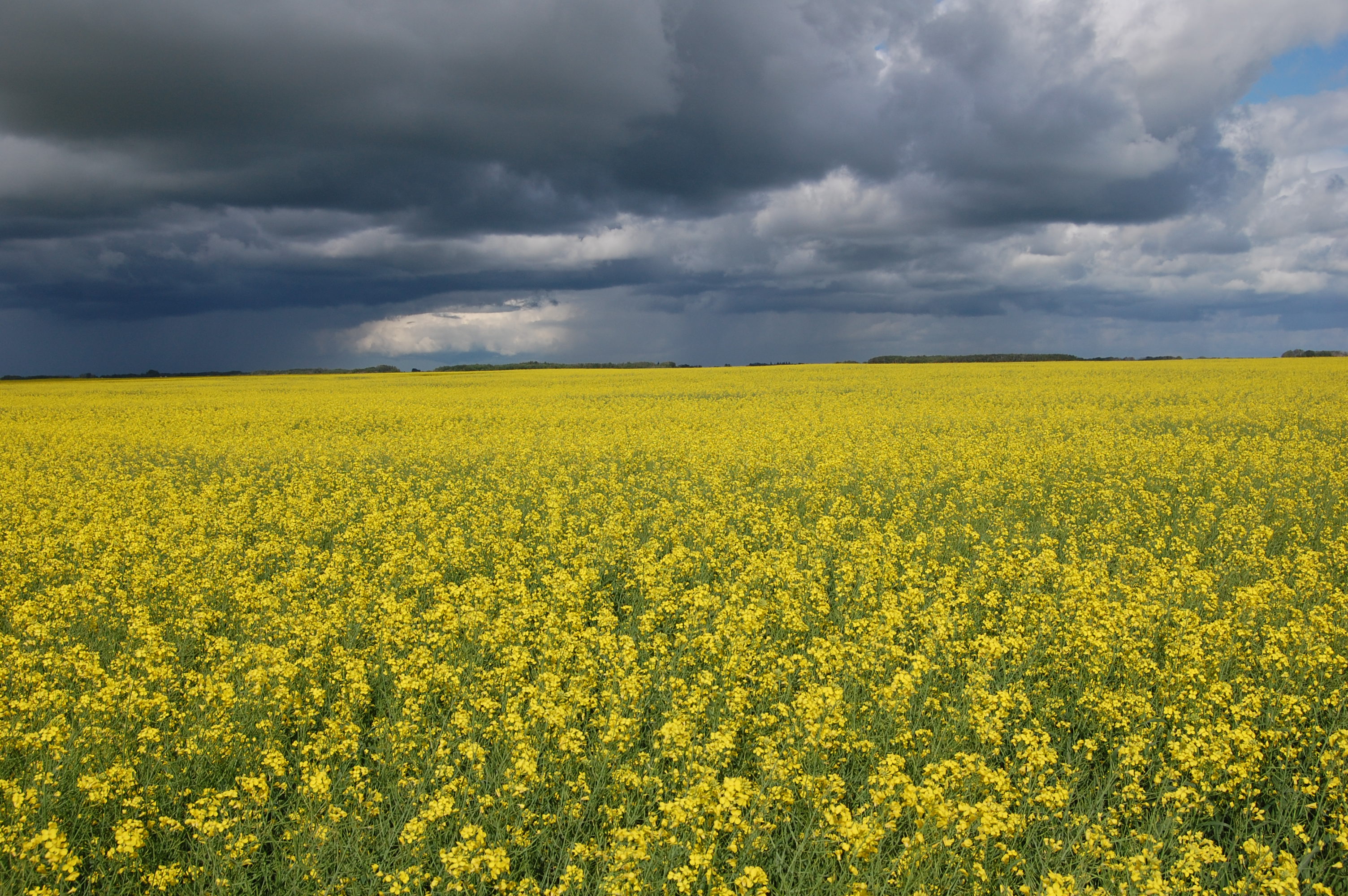
Developed through Canadian plant breeding, canola is now one of the country's most valuable exports. An examination of hybrid systems, disease pressure, and straight-cut harvest trends.
Malt and feed barley both hold important roles in Prairie agriculture. This article outlines seeding practices, malt quality requirements, and nutrient management considerations.
Harvest & Field compiles practical, research-grounded information on the principal grain and oilseed crops grown across Manitoba, Saskatchewan, and Alberta. The content draws on publicly available guidance from Agriculture and Agri-Food Canada, the Canadian Grain Commission, and university extension resources.
The Canadian Prairies produce a significant share of the world's wheat, canola, and barley. Understanding the agronomic and logistical realities of these crops — seeding windows tied to soil temperature, disease cycles driven by summer weather patterns, and grading systems that connect farm-gate quality to export markets — is essential context for anyone engaged with this landscape.
This site is maintained as an informational reference. Content is reviewed periodically against current agronomic literature and government publications.
Barley goes in first as soils warm above freezing. Canola and spring wheat follow in late April through mid-May, once soil temperatures reach recommended thresholds and surface moisture allows fieldwork.
Canola flowers through June, with sclerotinia risk assessed at petal fall. Wheat heads in late June and early July, when fusarium infection conditions are evaluated. Scouting and fungicide timing are critical.
Combining begins with barley in late July and extends through September for late-maturing wheat and canola. Grain is dried or aerated to safe storage moisture levels and delivered to country elevators or held in on-farm bins.